

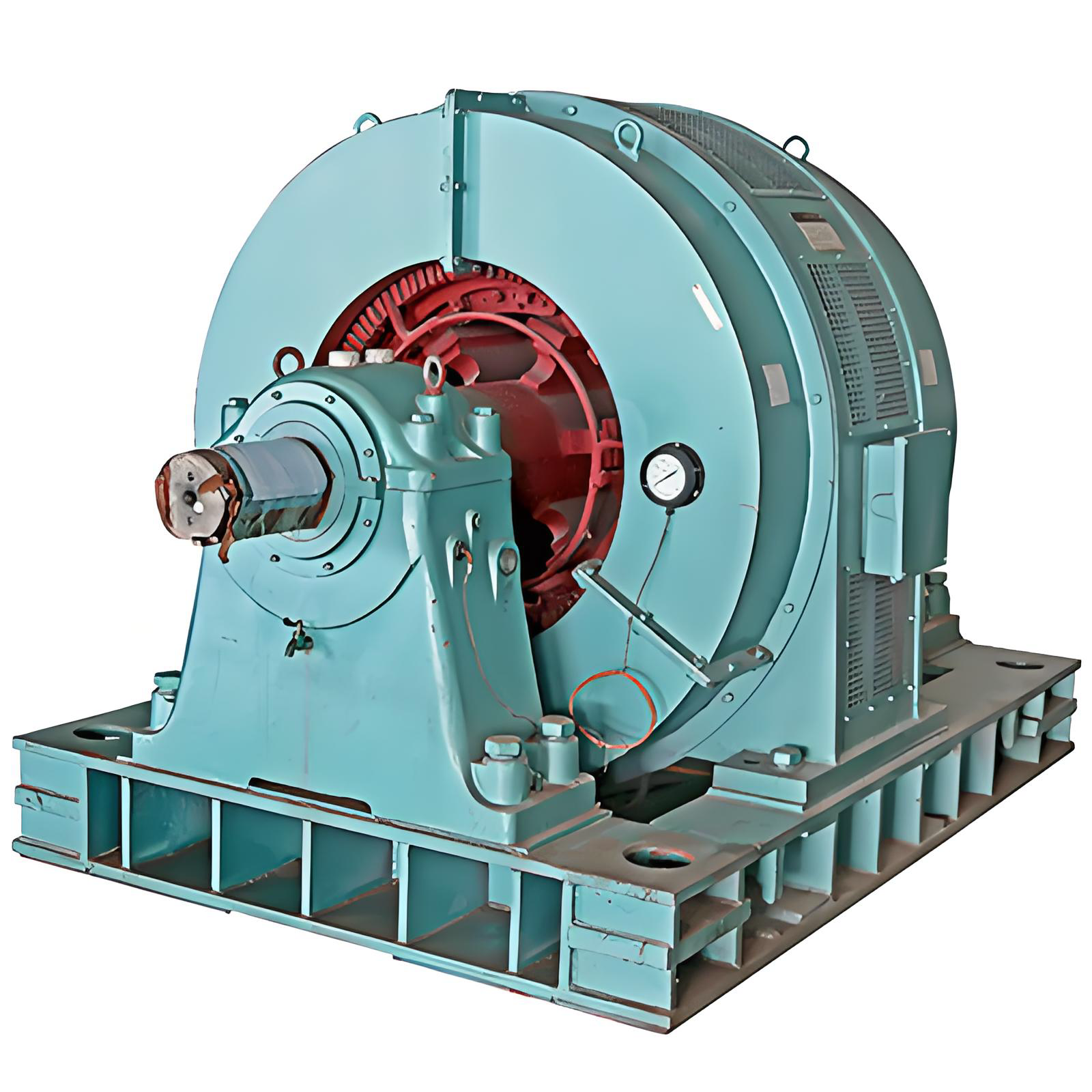
High Voltage Motor Technical Specification Supplier
Date: 2026-03-08Views: 8410
Excerpt:
When looking for a high-voltage motor, it's essential to consider several technical specifications that can inf
When looking for a high-voltage motor, it's essential to consider several technical specifications that can influence performance, efficiency, and suitability for specific applications. Here are key technical specifications to consider when choosing a supplier for high-voltage motors:
Technical Specifications for High Voltage Motors
-
Voltage Rating:
- Commonly available voltage ratings include 2.3kV, 4.16kV, 6.6kV, 11kV, and 13.8kV. Ensure the motor meets your system's voltage requirements.
-
Power Rating:
- Evaluate the power output, typically expressed in horsepower (HP) or kilowatts (kW). Make sure it matches the demands of your application.
-
Number of Poles:
- Common pole numbers include 2, 4, 6, and 8. The number of poles affects the motor's speed and torque characteristics.
-
Efficiency Class:
- Look for motors that meet or exceed efficiency standards (e.g., IE2, IE3, IE4) as defined by international standards (e.g., IEC 60034-30).
-
Service Factor:
- This indicates the motor's ability to operate above its rated capacity. A higher service factor means better performance in demanding conditions.
-
Cooling Method:
- Common cooling methods include Open Drip Proof (ODP), Totally Enclosed Fan Cooled (TEFC), and Water-Cooled. Choose the one that suits your operating environment.
-
Enclosure Type:
- The motor's enclosure can impact its suitability for various environments (e.g., hazardous locations may require specific enclosures).
-
Starting Method:
- Options include Direct-On-Line (DOL), Star-Delta, and Soft Starters. The starting method affects the motor’s starting torque and current requirements.
-
Insulation Class:
- The insulation class (e.g., Class F or Class H) indicates the motor's ability to handle temperature increases without degradation.
-
Frame Size:
- The motor's physical dimensions determine compatibility with existing installations or mounting conditions.
-
Vibration and Noise Levels:
- Check for compliance with specific standards pertaining to vibration and noise to ensure a smooth operation.
-
Bearing Type:
- Choose between anti-friction bearings (ball or roller) or sleeve bearings based on application requirements, bearing life, and maintenance considerations.
-
Shaft Configuration:
- Consider the shaft length, diameter, and keyway configuration to ensure compatibility with your driven equipment.
![[关键词]](https://www.simomotores.com/wp-content/uploads/2023/08/1763940120-0258.png "[关键词]")
-
Certifications:
- Verify that the motor meets necessary industry certifications (e.g., CE, UL, CSA, ISO standards) pertinent to safety and performance.
-
Warranty and Support:
- Check the warranty period offered and the availability of after-sales support or maintenance services.
Recommended Steps for Supplier Selection:
-
Research and References:
- Look for suppliers with strong reputations and positive customer reviews.
-
Request Detailed Quotes:
- Obtain multiple quotes that include specifications, pricing, and lead times.
-
Assess Technical Support:
- Evaluate the supplier's technical support and service offerings for troubleshooting and maintenance.
-
Long-term Partnerships:
- Consider suppliers who can provide ongoing support, such as spare parts and upgrades.
-
Performance Guarantees:
- Look for suppliers that provide performance guarantees, ensuring the motor will meet the stated specifications.
By considering these technical specifications and following a structured selection process, you can effectively identify the right high-voltage motor and supplier for your specific operational needs.


 Shaanxi Public Network Security No. 41032502000206