


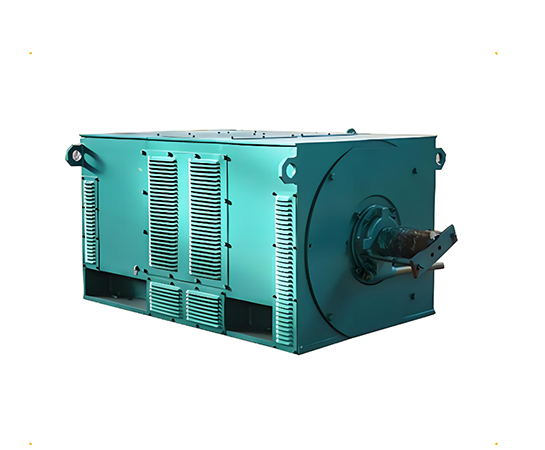
High Voltage Motor for Continuous Duty S1
Date: 2026-02-10Views: 2145
Excerpt:
A high voltage motor designed for continuous duty (S1 duty) is typically used in industrial applications where reliable and continuou
A high voltage motor designed for continuous duty (S1 duty) is typically used in industrial applications where reliable and continuous operation is required without overheating or performance degradation. Here are the key aspects to consider regarding high voltage motors for S1 duty:
Key Features:
-
Design Standards: High voltage motors for S1 duty conform to various international standards, including IEC, NEMA, and IEEE, ensuring reliability and safety in their applications.
-
High Voltage Rating: These motors typically operate at voltages greater than 1,000 volts, commonly in the range of 3,300 to 13,800 volts. They are designed for connection to a high voltage power supply.
![[关键词]](https://www.simomotores.com/wp-content/uploads/2023/08/1764150559-173523.jpg "[关键词]")
-
Cooling Methods: They use various cooling methods, such as:
- Open Drip Proof (ODP): For operations in clean environments.
- Totally Enclosed Fan Cooled (TEFC): For versatile applications with better protection against dust and moisture.
- Water-Cooled or Air-Cooled: Depending on the application and environmental conditions.
-
Efficiency: High voltage motors for continuous duty are designed to be energy-efficient, often achieving high-performance ratings and contributing to lower operational costs.
-
Durability and Reliability: Built for toughness, these motors have robust constructions, often including heavy-duty bearings, insulation, and protective coatings for harsh environments.
Applications:
High voltage motors for continuous duty are commonly used in various industries, including:
- Mining
- Oil and Gas
- Power Generation
- Water and Wastewater Treatment
- Manufacturing (pumps, fans, compressors)
Advantages:
- Consistent Performance: Able to operate at full load for extended periods without overheating.
- Reduced Maintenance: Longer operational life and reduced downtime lead to lower maintenance costs.
- Scalability: Suitable for large industrial systems where high power and efficiency are necessary.
Selection Considerations:
- Load Type: Understand the load characteristics (constant, variable, etc.) to select the appropriate motor.
- Environmental Conditions: Assess dust, moisture, and temperature conditions.
- Power Supply: Ensure compatibility with high voltage electrical supply systems.
- Efficiency Standards: Consider efficiency ratings to ensure compliance with regulatory requirements.
Conclusion:
Choosing a high voltage motor for continuous duty applications entails understanding specific operational requirements and matching them to the motor's features. To maximize performance, it's essential to collaborate with manufacturers and engineers during the selection process, ensuring that the chosen motor complies with operational standards and achieves efficiency goals.


 Shaanxi Public Network Security No. 41032502000206