

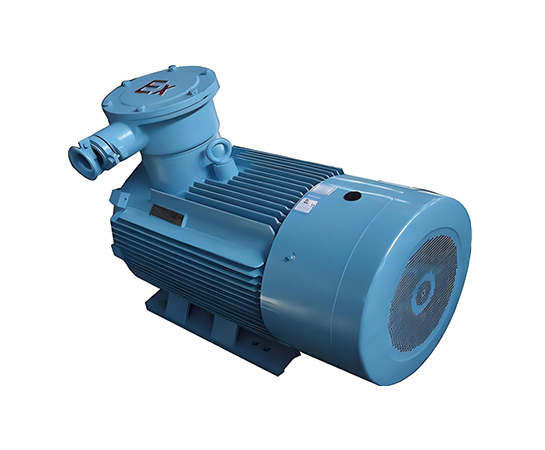
Motor de alta tensão para aplicações de bombas
发布时间:2026-03-01浏览量:2019
摘要:
Motores de alta tensão para aplicações de bombas: Uma visão geralOs motores de alta tensão são componentes essenciais em várias aplicações industriais, especialmente em
Motor de alta tensãos for Pump Applications: An Overview
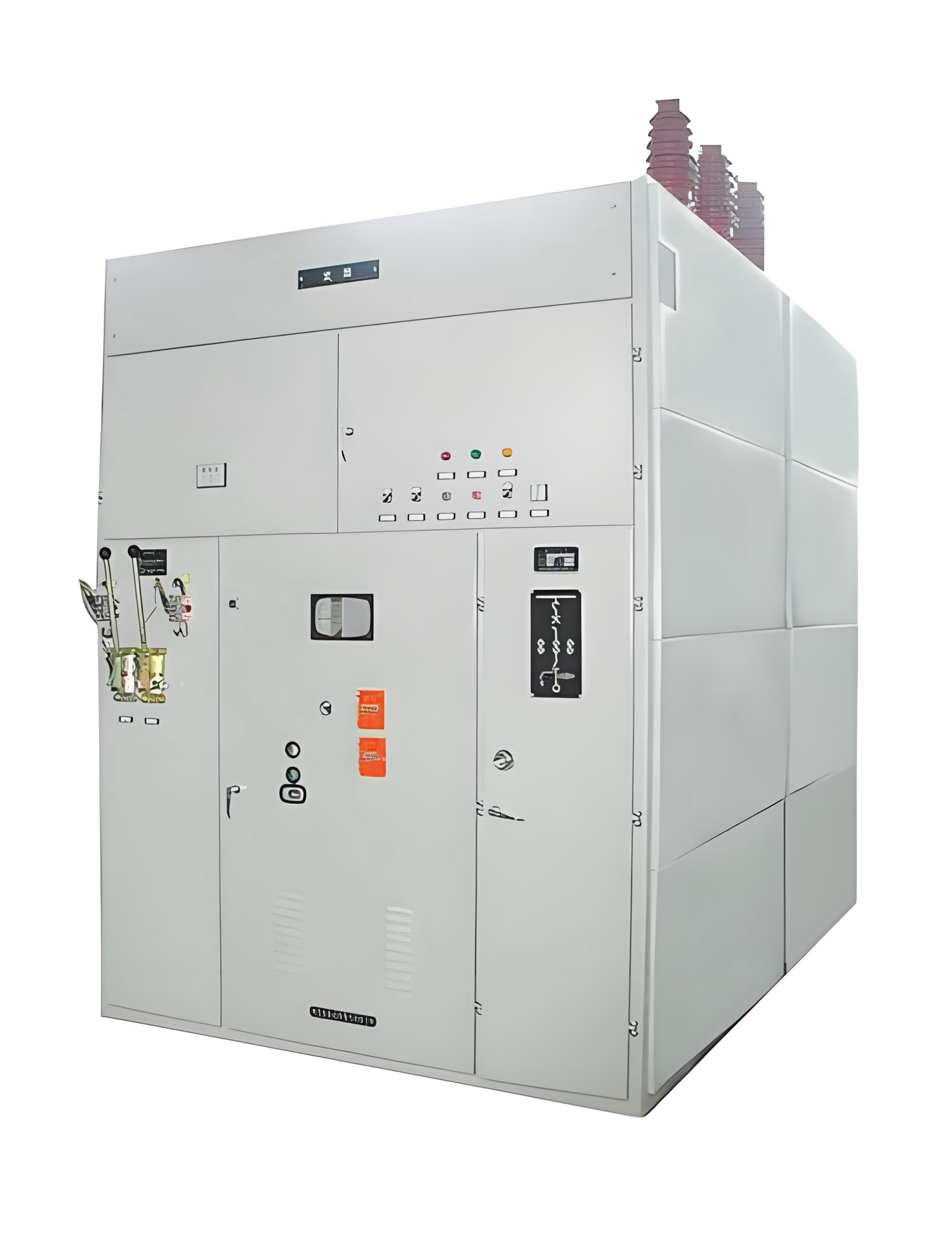
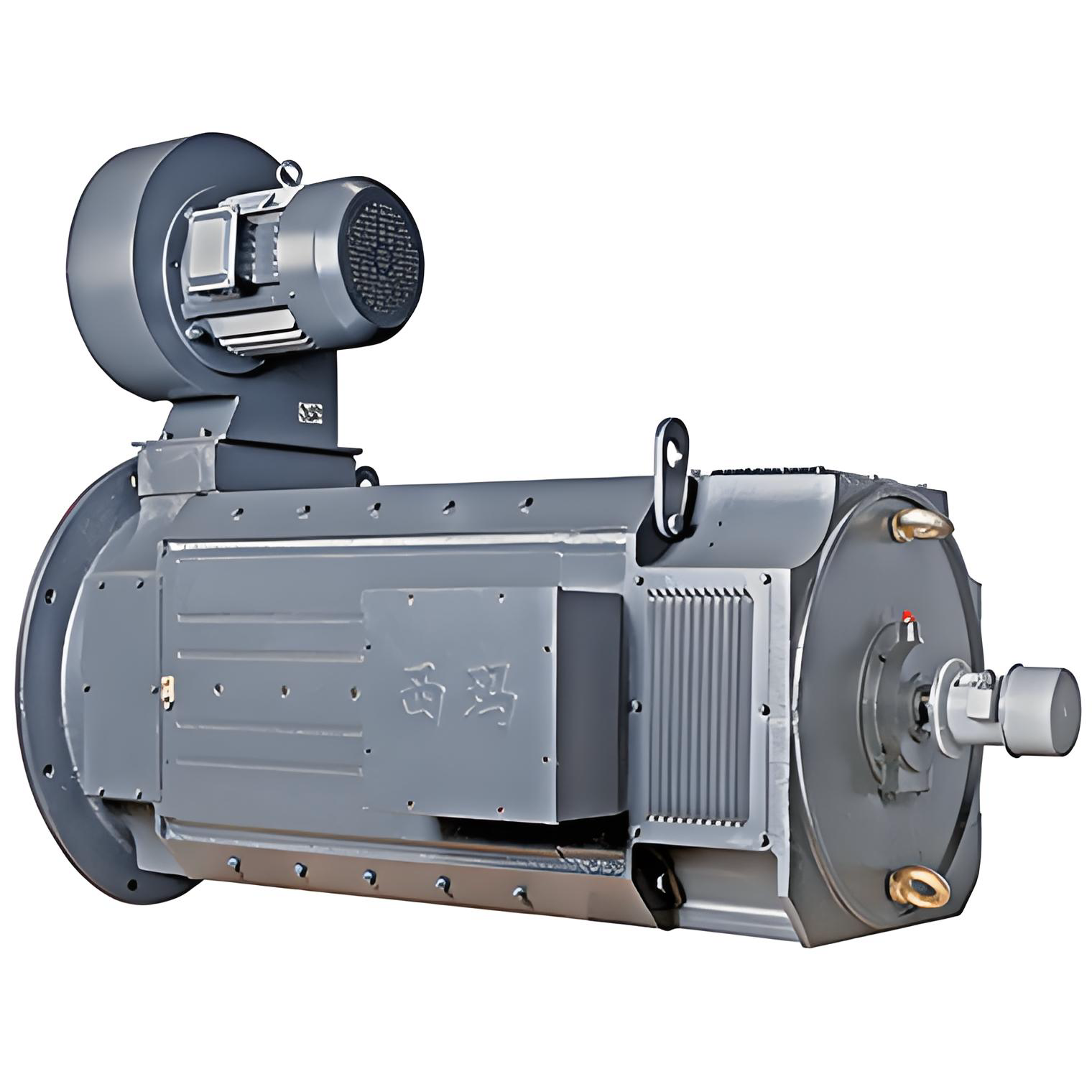
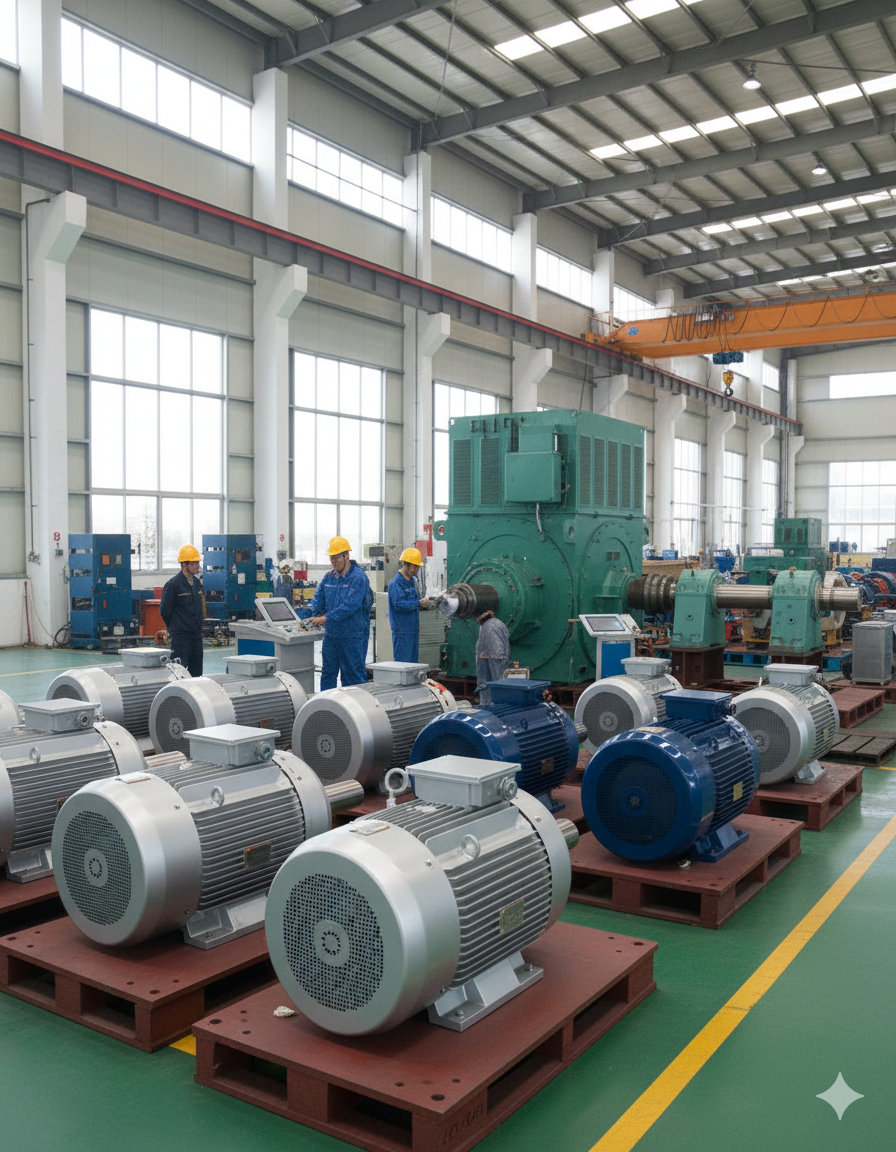
High voltage motors are essential components in various industrial applications, particularly in driving pumps for water supply, wastewater treatment, oil and gas, and other critical processes. Understanding the characteristics, advantages, and considerations of motores de alta tensão in pump applications can help ensure optimal performance and longevity.
Key Characteristics of High Voltage Motors
-
Classificação de tensão: Typically classified as those operating above 1,000 volts (1kV). Common ratings include 2.3kV, 4kV, and 6kV.
-
Eficiência: High voltage motors are designed to operate efficiently at higher power levels, often boasting efficiency ratings exceeding 95%.
-
Construction: These motors are usually constructed with robust materials and designs to withstand harsh environments, with options for various protection classes (IP ratings).
-
Cooling Methods: Options include Totally Enclosed Fan Cooled (TEFC), air-cooled, or water-cooled designs, depending on the application and environmental conditions.
-
Power Factor: High voltage motors typically exhibit a higher power factor, which is advantageous in reducing energy costs and improving overall system performance.
Advantages of High Voltage Motors in Pump Applications
-
Reduced Current Demand: Operating at higher voltages results in lower current requirements, which can reduce transmission losses and allow for smaller conductor sizes.
-
Improved Efficiency: The design allows for better efficiency at larger scales, leading to reduced energy costs and diminished heat generation.
-
Longevity: These motors are built to last, often featuring durable construction that can withstand tough operational conditions.
-
Scalability: High voltage motors can handle larger pumps and systems, making them ideal for large-scale industrial applications.
-
Lower Installation Costs: Due to reduced conductor sizes and lower current ratings, installation costs can potentially be lower than that of low-voltage motor systems.
Considerations When Selecting High Voltage Motors
-
Requisitos do aplicativo: Assess the specific pump application, including flow rates, pressure requirements, and operating conditions.
-
Tipo de motor: Decide between asynchronous (induction) motors and synchronous motors based on performance needs, control systems, and application type.
-
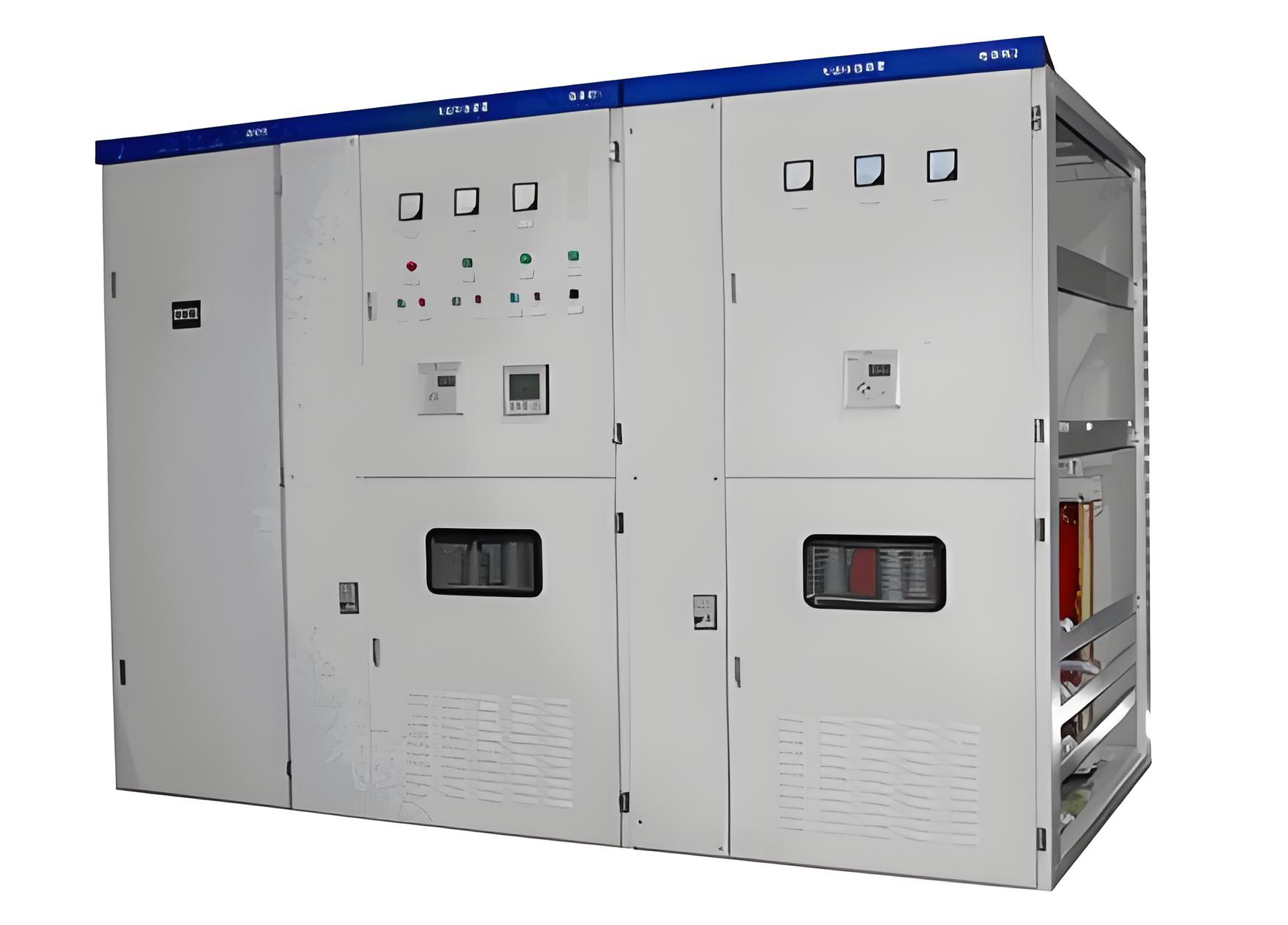
Starting Method: High voltage motors necessitate specific starting methods (e.g., soft starters, variable frequency drives) to manage inrush currents and reduce strain on the electrical infrastructure.
-
Maintenance: Establish a maintenance schedule that considers factors such as lubrication, vibration monitoring, and thermal imaging inspections.
-
Conformidade regulatória: Ensure that the selected motor meets applicable local and international efficiency standards and safety regulations.
-
Integration with Pump System: Evaluate the compatibility of the motor with the pump system’s gearbox, controls, and other peripherals.
![[关键词]](https://www.simomotores.com/wp-content/uploads/2025/11/1764029149-23358.jpg "[关键词]")
Conclusão
High voltage motors play a critical role in enhancing the performance and efficiency of pump systems in various industrial applications. When selecting a high voltage motor, it’s crucial to assess the specific operational requirements, consider the advantages of advanced technologies, and ensure the selection aligns with broader efficiency and maintenance goals. Proper installation and ongoing maintenance will further enhance the longevity and reliability of these motors in demanding environments.


 Shaanxi Public Network Security No. 41032502000206